
Even the best entertainment can fall flat if it’s in the wrong place on your schedule. That’s why timing isn’t just a logistical choice—it’s a strategy.
In this guide, you’ll learn when to schedule different types of performances so they lift the energy, engage your guests, and leave a lasting impression. Whether you’re hosting a corporate function, wedding, or private party, these tips will help you time your entertainment for the best effect.
Why Timing Matters
Entertainment should feel like a highlight, not a distraction.
The right timing:
-
Keeps energy levels high
-
Provides natural breaks in your program
-
Helps transition between event segments
-
Prevents lulls in attention
-
Builds anticipation and delivers pay-off
When you plan your event around these moments, and use professional talent from Event Entertainment Sydney, you create an experience that flows.
Pre-Event or Guest Arrival
Best For:
-
Roving entertainers
-
Acoustic duos
-
Character greeters
-
Photo-op performers
Why it works:
It sets the tone. Entertainment during arrival helps guests feel welcome, relaxed, and excited. It also fills downtime while waiting for the official start.
Pro Tip: Choose roaming performers or light music that doesn’t require guests to sit or focus yet.
Opening Performance
Best For:
-
High-energy dance shows
-
Cultural acts
-
Fire or LED spectacles
Why it works:
Starting strong makes a lasting first impression. This type of opening act can:
-
Signal the beginning of something special
-
Establish event tone or theme
-
Get people’s attention before speeches or formalities
Just be sure your AV is ready and the audience is seated or focused.
Mid-Program Reset
Best For:
-
Short stage shows
-
Live music
-
Interactive acts
Why it works:
The middle of an event is when energy dips. Guests may feel tired after eating or lose focus after speeches.
Placing a 5–10 minute performance here:
-
Recharges the room
-
Prevents people from leaving early
-
Smooths transitions between formal sections
Event Entertainment Sydney can recommend acts that work within tight timeframes.
Between Courses (for Dinners or Banquets)
Best For:
-
Roaming magicians or musicians
-
Short dance or cabaret segments
-
Live art or interactive acts
Why it works:
This keeps guests entertained without interrupting dining. It works well for awards nights or gala dinners.
It also prevents “dead air” between courses and keeps the event lively.
Post-Dinner or After Speeches
Best For:
-
Feature acts
-
Branded performances
-
Cultural showcases
-
Audience-involving shows
Why it works:
With formalities out of the way, guests are more relaxed and ready for something engaging. This is the perfect time to place your most powerful, branded, or emotional entertainment.
Use this as your “hero” moment.
Pre-Dancefloor or Party Start
Best For:
-
High-energy dance acts
-
Percussionists or live bands
-
DJ + live instrumentalist combos
Why it works:
This acts as a bridge between sitting and dancing. A live performance here gets people up and moving.
This is especially effective at weddings or EOFY parties where you want to start the dancefloor with impact.
Late-Night Surprise
Best For:
-
Flash mobs
-
Fire shows (outdoor)
-
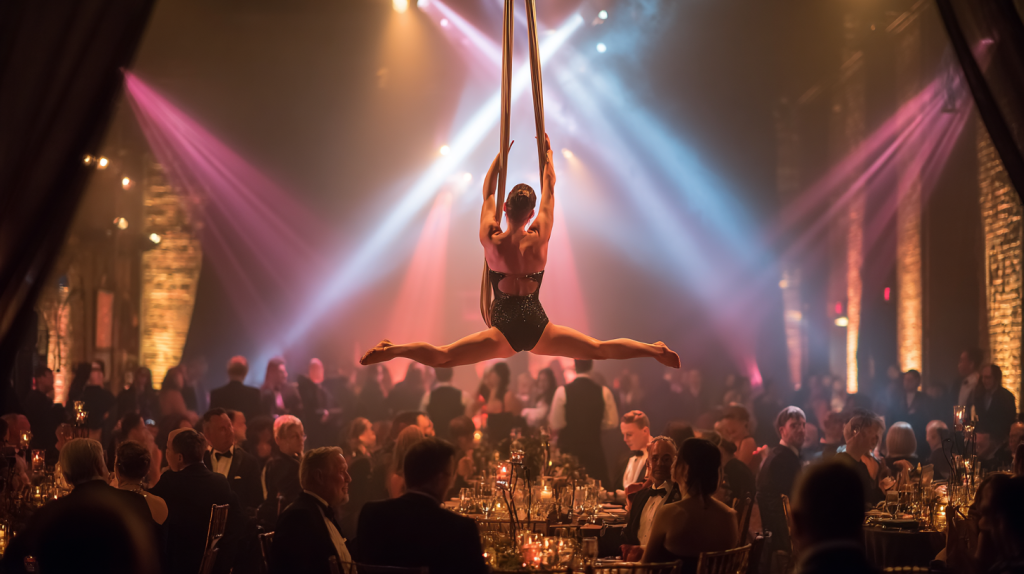
Stunt or circus-style acts
Why it works:
Guests don’t expect it. Adding a short act after dessert or before the close creates a strong final memory. It keeps people talking—and staying.
These surprise acts are best kept short and visually impactful.
Timing Tips by Event Type
🎉 Private Party
-
Start with roaming performers or a soft acoustic act
-
Mid-party: feature show or surprise act
-
End with a DJ or band for dancing
👔 Corporate Event
-
Start strong with a branded opener
-
Midpoint reset between keynote and dinner
-
Use entertainment to separate segments (e.g. awards)
💍 Wedding Reception
-
Arrival: acoustic music or roving greeters
-
After speeches: main dance or cultural performance
-
Before dancefloor: high-energy live act
With help from Event Entertainment Sydney, you can map these moments into your run sheet seamlessly.
Mistakes to Avoid
❌ Placing entertainment during food service
Guests are distracted. Save headline acts for when people can watch.
❌ Too many acts back-to-back
This overwhelms guests and leads to fatigue.
❌ Waiting too long for the big act
By then, people may have left. Aim to place your show-stopper before natural drop-off.
Conclusion
Timing is everything in live entertainment. Whether it’s setting the mood, re-energising the room, or ending the night on a high, placing acts strategically helps your event flow better—and makes it more memorable.
Avoid guesswork. Work with experts who understand pacing, transitions, and performance fit. Event Entertainment Sydney offers customised entertainment with perfect timing built into the planning.
FAQ
Your headline performance should come after speeches or dinner but before guest fatigue sets in. This ensures attention and impact. Placing it mid-program or just before dancing often works best.
Yes, but keep it ambient. Roaming acts or background music work well. Avoid headline acts while guests are eating, as it splits attention and reduces engagement.
High-energy, visual acts like dance shows, cultural performances, or LED spectacles grab attention and set the tone. Just make sure your audience is seated and ready.
Yes. Just space them out well. One major act and a few light touches—such as roving performers—work better than several back-to-back features.
Use mid-event entertainment like musicians, magicians, or quick shows to reset the energy and prevent lulls in attention. It makes transitions smoother and more enjoyable.
If working with professionals like [Event Entertainment Sydney](http://theentertainmentcompany.au/event-entertainment-sydney/), acts can usually adjust slightly. However, aim to stay on schedule to avoid reducing performance time or impact.
Yes. Use light acts to open, feature acts mid-program, and dancefloor openers later. This helps break up the night and give structure to your schedule.
Popular choices include: – Acoustic or strings during arrival – Feature act after dinner or speeches – Dance act to kick off the party
Yes, especially when placed late in the night as a visual or energetic lift. Fire shows, LED dancers, or flash mobs are crowd-pleasers when guests least expect them.