
When planning a multi-hour event, keeping your guests engaged from start to finish is essential. The key isn’t just booking one big act — it’s knowing how to layer your entertainment in a way that keeps the energy flowing, sets the mood at the right times, and delivers a memorable experience.
In this guide, we’ll explain how to plan and space out your entertainment to match the pace of your event — from welcome drinks through to the final farewell. This approach works for weddings, corporate functions, product launches, private parties, and beyond.
What Is Layered Entertainment?
Layered entertainment means spreading out multiple performances or interactive experiences across the timeline of your event — rather than relying on just one feature act. Each layer serves a purpose: to welcome, energise, reset, or surprise your guests.
When you plan it right, you control the mood and momentum of the event — and avoid common pitfalls like dead air, awkward transitions, or lulls in energy.
The Three Phases of an Event (And How to Entertain in Each One)
1. Arrival & Welcome (Set the Tone)
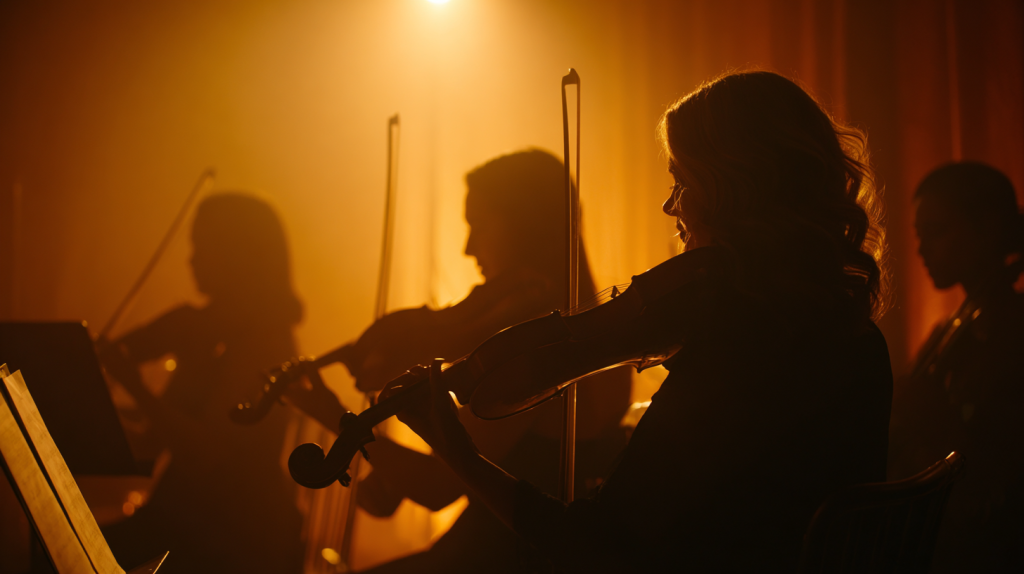
This is the first impression — and the most overlooked phase. Live music like an acoustic duo, string quartet, or ambient DJ can help guests relax as they arrive and settle in. Roving entertainers, magicians, or living statues also work well during this window.
👉 Tip: Use this period to signal the style of the event. If you’re hosting something glamorous, opt for elegant acts. For a more playful vibe, try interactive entertainment.
2. Main Program (Build and Hold Energy)
This is where your headline act or core entertainment belongs. But avoid putting everything here. Spread the highlights to stop the energy from dropping. Think:
-
Short performances between speeches or courses
-
Surprise pop-up moments (like a flash mob or live art)
-
Group engagement like games or audience participation acts
You can also rotate entertainment styles — such as music, dance, visual acts, and comedy — to keep things fresh.
3. Wind-Down & Exit (End on a High)
Many events lose momentum in the final hour. Don’t let your guests leave bored or early. Use the closing window to create a lasting impression.
For example:
-
A high-energy dance set or DJ to get people moving
-
A second act with a “wow factor” (fire twirling, aerialist, live vocals)
-
A quirky send-off like a confetti blast or farewell character act
Matching Acts to Event Type
Every event has a different purpose — and that should shape your entertainment layers. Here’s a quick guide:
| Event Type | Suggested Layers |
|---|---|
| Corporate Function | Welcome music → Stage show during dinner → Interactive activity (quiz, magician) → DJ to finish |
| Wedding Reception | Acoustic arrival → Surprise dance or musical number → DJ or band → Late-night saxophonist |
| Product Launch | Brand-aligned opener → Tech-style performance (e.g., LED or digital art) → Influencer moment → After-party set |
Want more ideas tailored to your event? Explore Event Entertainment Sydney for expert suggestions and booking support.
How to Avoid Overbooking (Or Underwhelming)
Many clients either book too much entertainment or not enough. Here’s how to get the balance right:
-
Create a visual run sheet of your event with time estimates
-
Use anchor points — e.g., meal times, speeches — to position acts
-
Leave breathing room between performances so guests can socialise
-
Aim for impact, not noise — thoughtful timing beats cramming it all in
If you’re unsure, companies specialising in Event Entertainment Sydney can help you get the structure right.
Common Mistakes to Avoid
❌ Placing everything in the first half
You’ll burn through attention early and risk a flat finish.
❌ Leaving large gaps without stimulation
Dead time kills energy. Even soft background acts can help fill quiet patches.
❌ Mismatching performance intensity
Follow an emotional speech with something light or playful. Don’t break the mood with something too jarring.
How Professionals Help You Layer Effectively
The best entertainment agencies don’t just book acts. They help craft a journey through your event, using entertainment to:
-
Transition guests smoothly through each phase
-
Maintain energy levels
-
Support key moments like speeches or launches
-
Reinforce themes and brand personality
They’ll also manage logistics, sound, lighting, and timing — so everything flows without stress.
🎯 Conclusion
Layered entertainment turns a good event into a great one. It keeps your guests engaged, creates energy across the entire timeline, and ensures no moment feels dull or awkward.
Whether you’re planning a wedding, brand launch, corporate party or private celebration, how you structure your entertainment makes a big difference.
Looking to get it right? Chat with a team who knows how to make events flow seamlessly with expert-level Event Entertainment Sydney.
FAQ
To keep guests engaged at a long event, you need to space out entertainment that suits different phases of the event. Start with something welcoming (like live music), follow with high-impact performances during the middle, and finish with something memorable or interactive. Avoid dead air and use transitions that feel natural.
Layered entertainment is a strategy where you spread out multiple performances across different parts of your event rather than relying on one major act. Each layer serves a different purpose — from creating ambience, energising the room, to closing with impact.
Yes, but keep it low-key. Background music or roaming performers work well during meals without disrupting conversation. Save louder or high-energy acts for before or after the meal service.
A good rule of thumb is 3–4 entertainment moments across a 4-hour event. This can include a welcome act, a headline show, an interactive or surprise moment, and a closing performance. Timing is key — avoid booking back-to-back acts without breaks.
Yes. If entertainment is flat or ends early, guests tend to leave. But if there’s a planned closing performance or afterparty vibe, people are more likely to stay until the end. A strong closing act can increase dwell time and guest satisfaction.
The biggest mistake is putting all your entertainment early in the night, leaving the second half without energy. Another common issue is long gaps between performances with no filler, which can feel awkward and lose guest attention.
Start planning your entertainment run sheet at least 6–8 weeks before the event. This allows time to align acts with logistics, run tech checks, and adjust pacing based on your event schedule and goals.
Professional entertainers are usually flexible and can adapt on the night. Having a buffer in your schedule, and working with an entertainment coordinator, helps reduce stress and keep things flowing even if timings shift slightly.
It depends on the crowd and event type. DJs are popular for energy and dancing, while a live act (e.g., percussionist or saxophonist) can create a more memorable send-off. Some events even combine both for maximum impact.
Yes. Overloading your event with back-to-back acts can feel overwhelming or distract from key moments like speeches or toasts. Focus on quality over quantity, and space out performances to give guests room to relax and enjoy.