

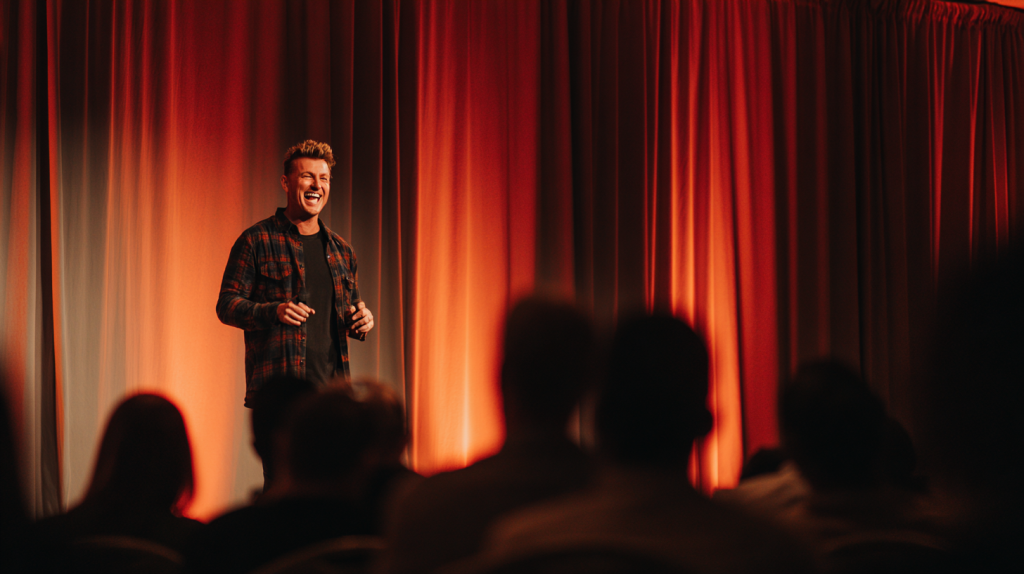
Not every event is held in a large ballroom or open-air arena. Many take place in intimate restaurants, private homes, small function rooms, or boutique venues. That doesn’t mean entertainment has to be basic—it just has to be smart.
Let’s explore how to choose the right entertainment for small venues so your event still delivers big impact. And yes, Event Entertainment Sydney can help.
Why Small Spaces Need Strategic Entertainment
Small venues present some challenges:
-
Limited space for performers and equipment
-
Noise constraints or shared walls
-
Audience proximity (less room for error)
-
Lighting and power limitations
But with the right act, these limitations become strengths. Small venues allow for intimacy, energy, and personal interaction that bigger venues can’t match.
Best Types of Entertainment for Small Venues
Here are entertainment styles that shine in compact spaces:
🎤 Acoustic Duos & Soloists
No bulky equipment, and their sound fills the room naturally. Perfect for weddings, cocktail hours, or corporate networking events.
🪄 Close-Up Magicians
Roaming magicians excel in intimate settings. They move from group to group, creating surprise moments without needing a stage.
🎷 Jazz Trios or Quartets
Smaller jazz bands bring a touch of class and can adjust their volume and presence easily to match the room.
🕺 Roving Performers
From stilt walkers (yes, they still work!) to character actors or themed hosts—roving acts keep energy flowing without taking up fixed space.
💃 Cultural Dancers
Solo or duo dance acts can be adapted for small areas. Flamenco, belly dance, or traditional cultural routines add flair without crowding the venue.
🎭 Spoken Word / Comedians
If your audience is seated, a clean stand-up act or engaging spoken word performance fits beautifully in boutique venues or private lounges.
These options are all available from Event Entertainment Sydney, with flexible formats designed for smaller setups.
Tips for Choosing Entertainment in a Small Space
1. Prioritise Versatility
Choose performers who can adapt their act to your room’s shape, audience layout, and sound profile.
2. Ask About Equipment Requirements
Make sure their setup fits. Some musicians only need a small amp, others might bring a PA system that takes half the room.
3. Keep It Mobile
If possible, pick entertainers who move—this keeps the room flowing and guests engaged, especially in cocktail-style events.
4. Match Energy, Not Volume
You don’t need loud. You need engaging. A quiet string duo can be more captivating than a loud DJ in the wrong space.
5. Watch for Ceiling Height
This affects lighting rigs, acrobatic performers, or dancers. Ask the venue for ceiling height and give this info to your entertainers.
Case Study: Making a Lounge Bar Event Pop
A recent Sydney corporate event took place in a 60-person lounge bar with exposed brick walls. The event organisers chose:
-
A roving jazz trio (keyboard, trumpet, vocals)
-
A close-up mentalist for walkaround magic
-
A short LED hula hoop act between drinks
Each performer adapted to the space, stayed mobile, and created wow moments without taking over. Guests stayed longer and gave rave reviews.
How to Brief Your Entertainers for a Small Venue
Give them details upfront:
-
Venue size and layout (photos help)
-
Noise restrictions or power access
-
Type of audience and their expectations
-
Whether they’ll have a stage, floor space, or be roving
-
Arrival and sound check times (some may need extra setup time)
When entertainers know what they’re walking into, they can shape their performance for maximum effect—even in tight quarters.
Entertainment to Avoid in Small Venues
Some acts work better in large, open spaces. In smaller venues, try to avoid:
-
Full bands with full drum kits (unless it’s a live music venue)
-
Pyrotechnics, indoor fireworks or heavy fog machines
-
Aerial performers (unless the venue is specially equipped)
-
Acts with large props, backdrops or set builds
-
Extremely loud DJs without volume control
That said, some acts can be scaled down. A 5-piece band can become an acoustic duo. A circus performer may offer a floor-only variation.
Benefits of Entertainment in Small Spaces
Smaller doesn’t mean second-best. In fact, small venue entertainment often delivers:
-
Stronger audience connection
-
Better photo opportunities
-
Smoother flow (no stage breaks)
-
More spontaneous moments
-
Customisable performances
Guests remember these details. And the energy created in a tight room can rival that of a crowd ten times the size.
Conclusion
When it comes to entertainment, size isn’t everything. It’s about choosing acts that fit your space, your audience, and your vision. With the right approach, a small venue becomes an advantage—not a limitation.
Whether you’re planning a private dinner, a micro-wedding, or a stylish rooftop party, the right entertainment can make your event stand out. The team at Event Entertainment Sydney has dozens of flexible acts ready to perform in even the cosiest venues across the city.
Make your space come alive—no stage required.
FAQ
Acts like acoustic duos, close-up magicians, jazz trios, cultural solo performers, or roving entertainers are ideal for small spaces. These acts don’t need a large stage or complex tech setup and can adapt to your layout.
Yes, but it’s best to opt for smaller configurations like duos or trios. Large bands may overpower the space or struggle with setup limitations. Some full bands offer “stripped-back” sets for intimate venues.
Yes, but you need to be selective. Compact LED setups, uplighting, and simple stage lighting work well. Avoid full-scale light rigs, smoke machines, or anything that could overwhelm the space or trigger alarms.
Give them details like room size, ceiling height, power outlets, noise policies, and layout. Photos or a walkthrough video help the act visualise how to adjust their performance to fit your space.
Yes. Roving acts like magicians, themed characters, or musicians can interact with guests without taking up fixed space. They keep energy levels up and move with the crowd, which works well in tighter rooms.
Avoid acts with large props, loud volume setups, aerial performances (unless the ceiling allows), and performances that need major technical production. Always prioritise suitability over showiness.
Not always. The cost depends more on the act’s skill and experience than the room size. However, smaller setups may reduce technical needs, which can help lower costs in some cases.
Absolutely. With thoughtful entertainment choices, a small venue can feel just as spectacular as a ballroom. In fact, the close-up energy can make it even more memorable for your guests.
Sometimes, yes—especially for speeches or vocalists. But many acts can perform acoustically or with a compact speaker. Always test sound levels during setup to avoid overpowering the space.