
Dance can elevate the energy of any event—when it’s done right. Whether it’s a wedding, corporate party, or cultural celebration, the key to successful dance entertainment is making it feel natural, not staged or awkward. When guests feel like dance is part of the flow, they’re more likely to enjoy it, participate, and remember the moment long after the event ends.
In this blog, we’ll break down smart ways to include dance in your Sydney event—without it feeling out of place. From choosing the right acts to knowing when to schedule performances, this guide will help you deliver engaging and seamless dance moments.
Why Dance Works So Well in Events
Dance is a universal form of entertainment. It can express emotion, create excitement, and bring people together. In events, it can serve many purposes:
-
Open the show with impact
-
Transition between program sections
-
Add cultural or thematic relevance
-
Invite guest participation
But to succeed, dance must match the tone of the event and fit into the program flow. That’s where many planners go wrong—they place dance where it doesn’t belong or force audience involvement before people are ready.
Let’s look at how to do it the right way.
Choose Dance Styles That Suit Your Event Type
Not every dance suits every crowd. The best performances are chosen with the audience in mind.
Here are a few examples:
-
Corporate events: Latin fusion, contemporary, or LED dance crews can add flair without feeling too party-focused.
-
Weddings: Ballroom, traditional cultural dance, or a flash mob for the bridal party.
-
Private parties: Hip hop, freestyle, or a dance battle to keep the energy high.
-
Cultural events: Indigenous, Bollywood, or traditional European folk dances.
For any of these occasions, working with a provider that specialises in Event Entertainment Sydney ensures the performers know how to read a room and adjust to the crowd.
Time the Dance to Flow with the Event Program
Timing is everything. Schedule dance when people are ready to engage or need a lift in energy.
Best timing examples:
-
After formal speeches: A dance performance helps shift into the social or dining segment.
-
Before or after a meal: Guests are seated and attentive.
-
As a surprise element: A pop-up performance breaks monotony or fills a quiet moment.
-
Just before the DJ kicks off: Gets people into the dancing mood organically.
Avoid placing dance routines too early, while guests are still arriving or settling in. That’s when they’re focused on drinks, food, or catching up—not watching a performance.
Use Dance as a Storytelling Tool
Dance doesn’t have to be random movement. Many performances can help tell a story—of your brand, your journey as a couple, or the cultural theme of your event.
Examples:
-
A couple’s first dance that blends styles representing their backgrounds.
-
A corporate celebration using a choreographed piece to mark company growth.
-
An anniversary party with dancers showcasing the decades of music the couple lived through.
By giving dance purpose, it becomes more meaningful to watch and easier to integrate.
Keep It Short and Sharp
Even the most engaging dance routines can lose attention if they go too long. Aim for tight, high-impact performances—between 3 to 7 minutes.
This keeps the energy up and ensures the entertainment remains a highlight, not a filler.
Multiple short performances throughout an event often work better than one long showcase. And if dancers are also roaming or interactive performers, their movement feels even more organic.
Let Guests Choose to Join In (Don’t Force It)
Audience participation should be encouraged, never demanded. Guests respond better when they’re invited in a fun, low-pressure way.
Good methods include:
-
Dancers teaching a simple routine in under five minutes
-
A mini dance battle where guests can cheer (not join)
-
Roving performers encouraging movement on the dance floor—but only if guests are already up and mingling
The best way to make this feel natural is to have charismatic performers who can read a room. The professionals delivering Event Entertainment Sydney are trained in this balance.
Match the Dance Style with the Music and Lighting
Visual and audio alignment is key. Dance performances work best when the music, lighting, and atmosphere all speak the same language.
For example:
-
A flamenco performance with red and gold lighting enhances the mood.
-
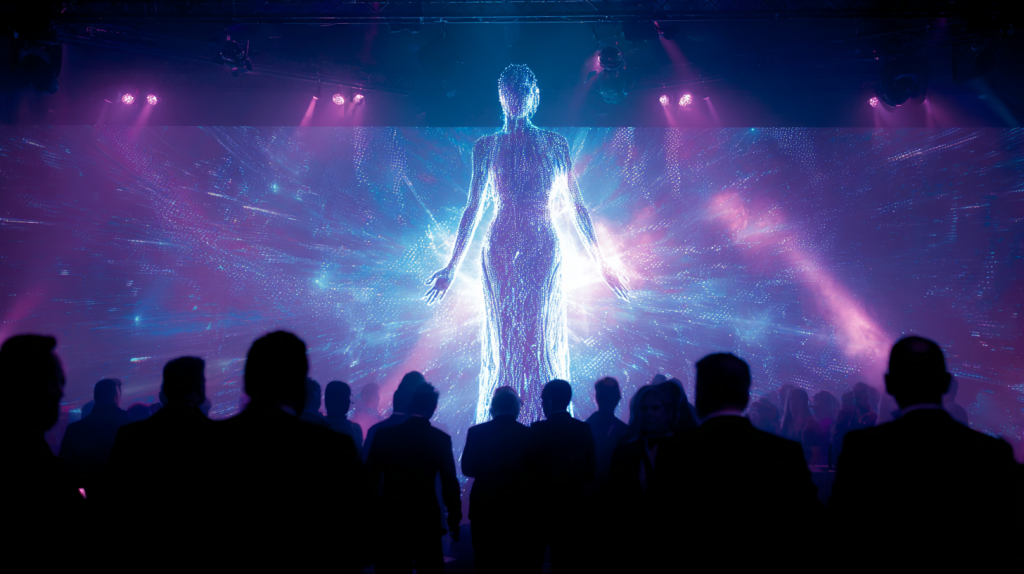
A futuristic LED dance act needs strobe effects and bass-driven music.
-
A slow lyrical performance pairs well with dimmed lights and spotlighting.
Make sure the technical setup supports the impact you want.
Use Dance to Activate a Theme
If your event has a theme—like a Great Gatsby party, a Carnival night, or a Bollywood celebration—dance is one of the strongest ways to bring that theme to life.
It’s more immersive than props or signs and adds an authentic touch. A well-choreographed routine makes guests feel like they’ve stepped into another world—even if just for a few minutes.
Surprise Guests with Pop-Up Performances
Pop-up dance acts (also called “ambient performances”) blend into the crowd or dining area and then burst into motion without warning.
This surprise factor is fun and gets attention fast. Think:
-
Waiters who turn out to be dancers
-
Guests who suddenly break into routine
-
Roving dancers that escalate into a group performance
Pop-up moments are perfect for corporate functions or casual parties, where formal stages aren’t the right fit.
✅ Conclusion
Dance can be one of the most exciting parts of your event—but only if it feels like a natural extension of the atmosphere. Choose the right style, time it well, and let the performers lead the engagement. Whether you want something cultural, corporate, or cutting-edge, professional acts that deliver Event Entertainment Sydney can make it happen—without ever feeling forced.
FAQ
To make dance feel natural, choose a style that matches your event theme and audience. Time the performance around key breaks, like after speeches or meals. Keep routines short and avoid forced participation—let guests engage at their own pace.
Weddings in Sydney often include styles like ballroom, Latin, contemporary lyrical, or cultural dance to reflect the couple’s background. Flash mobs and fusion first dances are also popular for creating fun, memorable moments.
The best time is during a natural break—after speeches, before dinner service, or to kick off the dancing portion of the night. These times ensure people are settled and more open to engaging with the performance.
Keep it short—ideally 3 to 7 minutes. This prevents fatigue and keeps the energy high. If needed, you can split dance acts across the event rather than having one long set.
Yes, but only in fun, non-intrusive ways. Guests should be invited to join, not pressured. Letting them choose to participate leads to more enjoyment and a relaxed atmosphere.
If the dance style doesn’t match the theme, is scheduled at the wrong time, or lasts too long, it can feel forced. Also, if guests are expected to interact too early in the event, it may create discomfort.
Yes. Dance can be used to open or close a presentation, break up speeches, or deliver branded messages through movement. LED dancers, themed shows, or roving performers are all suitable for corporate settings.
Opt for solo or duo performances, compact choreography, and ambient roaming acts. Ensure dancers don’t require large floor space or complex rigging. Good lighting and sound will still create big impact even in smaller rooms.
Look for professional performers with experience in your event type. Check reviews, watch demo videos, and discuss your event theme with them. Agencies specialising in Event Entertainment Sydney can help match you with the right talent.
Yes. You’re not asking everyone to perform—just to enjoy the experience. Dance adds visual flair and atmosphere. Even non-dancers appreciate a great show and may feel inspired to join the dance floor later.